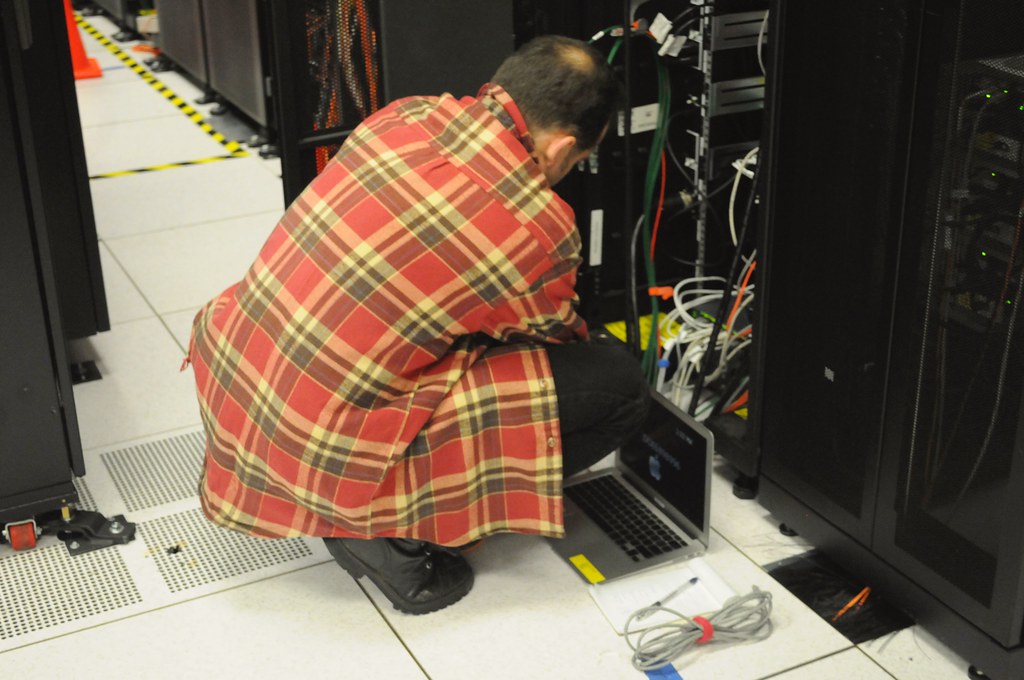
Deployment conversations tend to drift into infrastructure jargon long before buyers have answered the practical question: who needs control, how quickly does the team need to move, and what environment will they actually support?
The strongest websites explain deployment in operating terms, not just in architecture diagrams. On-premise includes private cloud and self-hosted environments, not just hardware.
Where teams start
Most teams begin with a familiar stack of exports, source files, transcripts, statements, and notes. That starting point is workable for a small matter, but it becomes unstable once several evidence types need to be reviewed together. The first objective is not full certainty. It is to create a working picture that keeps the source trail visible.
That is why intake, normalization, and entity handling matter so early. If identifiers are not aligned early, every downstream review step becomes slower and harder to defend.
Where the workflow usually breaks
The breakdown rarely comes from one catastrophic gap. It comes from small delays: copying identifiers by hand, reopening a transcript to verify a reference, switching from a device export to a bank file, or rebuilding a timeline in a slide deck because the source systems do not speak to each other.
Those delays are especially expensive in regulated and security-sensitive environments because every new handoff introduces more review time, more rechecking, and more room for disagreement about what the evidence actually says.
What a stronger review model looks like
The strongest review model keeps every source inside the same working picture. Telecom records, financial records, takeouts, transcripts, images, and supporting documents stay connected to the people, entities, and events that give them meaning.
That does not remove analyst judgment. It removes avoidable reassembly work so judgment can be spent on the relationship, sequence, and meaning of the evidence instead of on the mechanics of finding it again.
Investigative software earns trust when it reduces reassembly work without hiding the source path behind the result.
What to test in practice
The right evaluation is narrow. Pick a live workflow that is currently painful, define the manual baseline, and test whether the team gets to a clearer investigative picture faster without losing source traceability.
That approach is more credible than promising a broad transformation. Serious buyers want to see whether one important workflow becomes materially better under real constraints.
The practical question for a buyer is not whether this sounds useful in theory. It is whether the workflow gets materially clearer, faster, and more defensible for one important case pattern. That is the right standard.